
Project
Irrigation automation for DMT, Shakhbout
New automation for the park pump rooms at Shakhbout City, replacing the motor control centres and PLC and RTU panels and bringing the stations onto the existing municipal SCADA
About this project
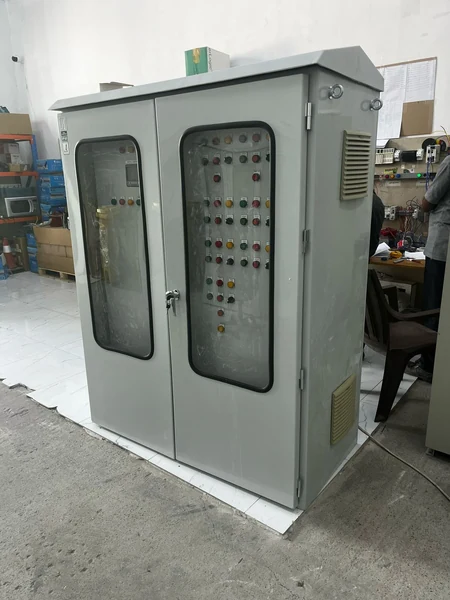
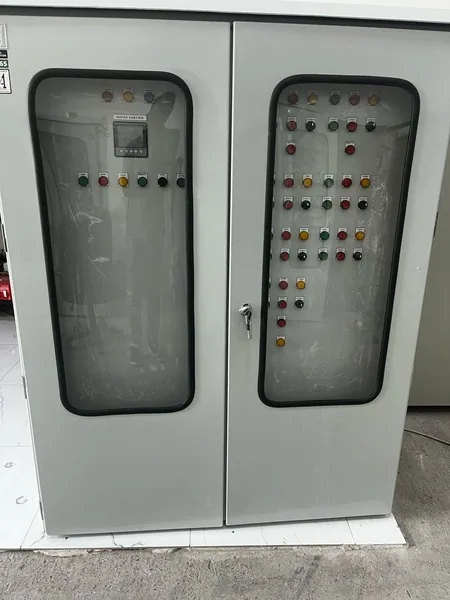
Parks and playgrounds at Shakhbout City required their irrigation pumping to be automated and brought into the client's existing supervisory system. Almafor supplied the motor control centres with variable frequency drives, the PLC and RTU panels and the instrumentation, and carried out the integration.
The important word is integration. Nothing was replaced at the supervisory layer. The client already operated an irrigation SCADA across other sites, and the requirement was that these new stations should appear inside it, behave the way the existing stations behave, and raise alarms operators already knew how to read.
That constrains the design in useful ways. Addressing, tag naming, alarm priorities and graphic conventions all have to follow what is already in service rather than what a supplier would choose from a blank sheet. A station that is technically correct but reads differently from every other station on the same screen creates hesitation at exactly the moment an operator should be certain.
Each pump room is a repeat of the same arrangement: a flow meter, a motorised valve, two variable frequency drives running three phase irrigation pumps as duty and standby, a pressure transmitter, a level transmitter, a pressure switch and a three position level switch, together with a duty and standby submersible pump and a duty and standby portable pump. Building to one pattern across the pump rooms keeps the approved submittal reusable and keeps spares interchangeable between them.
A UPS, a battery charger and lead acid batteries back the PLC and RTU at each station, so a mains interruption arrives at the control room as a reported event rather than as silence. Analogue signal splitters let a single transmitter feed both the local controller and the RTU, which is the ordinary way a local reading and a SCADA reading stop agreeing if it is not done properly.
One of the parks came back later as a replacement rather than a new installation. Its motor control centre and RTU had been damaged and were rebuilt and reinstated to the same design as the rest, which is the practical benefit of having built the pump rooms to a common pattern in the first place.
The panels were built and factory tested at our workshop in Mussafah before they reached site.
Scope of work
- Supply, programming, configuration, testing and commissioning of the standalone RTU at each pump room
- Interface with the existing municipal stormwater SCADA, including the DNP3 point list
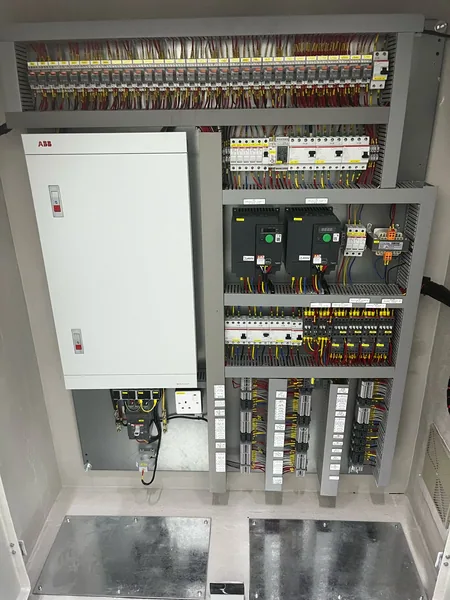
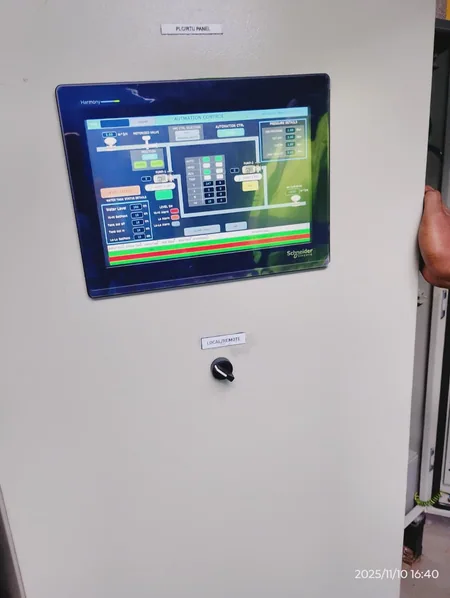
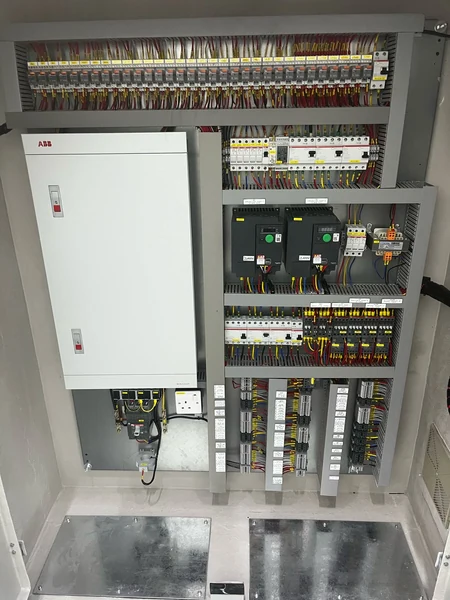
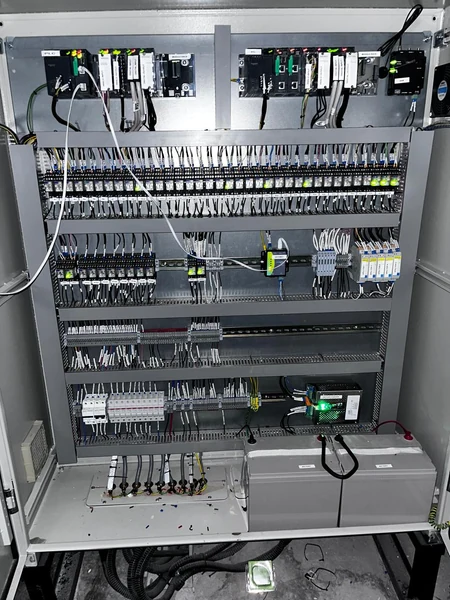
- MCC panel with variable frequency drives, and a separate PLC, RTU and HMI panel
- UPS system, and a battery charger with lead acid batteries backing the PLC and RTU
- Analogue signal splitters where one field signal serves both the PLC and the RTU
- Technical submittal, shop drawings, as built drawings and the operation philosophy
- Replacement of the motor control centre and RTU at a park where the existing equipment had been damaged
Equipment installed
- Schneider Modicon M340 PLC in the ICA panel
- Altivar ATV320 variable speed drives, two per pump room on duty and standby
- Standalone RTU per pump room, reporting to the existing municipal SCADA over DNP3
- UPS, battery charger and lead acid batteries backing the PLC and RTU
- Flow meter, motorised valve, pressure transmitter, level transmitter, pressure switch and three position level switch per pump room
- Analogue signal splitters feeding both the PLC and the RTU from a single transmitter
Planning similar work?
Talk to the engineers who delivered this project.
Trusted By