
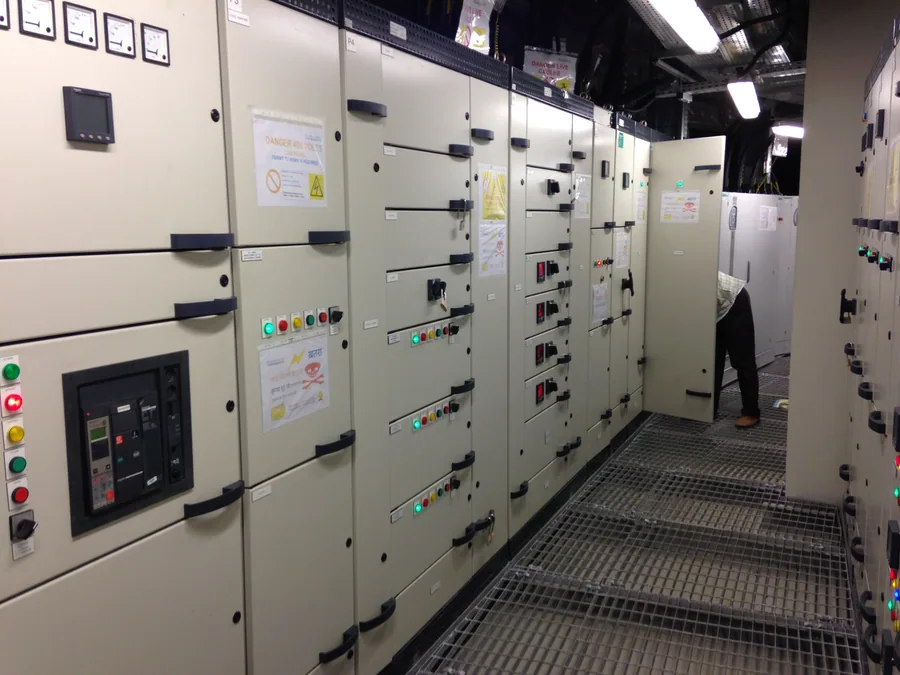
SCADA system for Energy Management System & Energy Network Monitoring System and Automated Metering System
ABU DHABI INVESMENT COUNCIL
Date2012-02-12
CategoryAutomation, Panel Building
Services
Sequence and interlock logic, instrumentation loops, motor and valve control, and the mimic an operator actually works from.
What we do
Almafor is a system integrator working on process and utility plant across Abu Dhabi and the UAE. Pumping and distribution networks, energy and metering systems, oil and gas pumping, and the building energy plant that behaves like process plant because it runs continuously.
The common thread is not the industry. It is that the plant runs whether or not anybody is watching, it usually sits away from the people responsible for it, and a fault that is not reported is a fault nobody is fixing. That was true of the earliest project in our record, the Tal Adass oil and gas pumping station, and it is still the defining constraint on the work we do now.
We are an engineering contractor rather than a software house. The same team writes the logic, builds the panel, terminates the instruments and stands at site acceptance. On process work that matters, because when a loop misbehaves the cause is as often in the wiring, the transmitter or the scaling as it is in the code.
Typical brief
Process control work reaches us in three recognisable shapes.
Equipment runs correctly and tells nobody. There is no trend, no event record and no alarm that reaches a person. The work is instrumentation, a controller and a reporting path, usually without touching the process itself.
Sequences run by an operator following a written procedure, or interlocks that exist on paper rather than in the plant. Automating this is mostly a question of agreeing what the plant must never be allowed to do, and then making that impossible.
Consumption has to be demonstrated rather than merely managed, usually for Estidama. That needs metering at the right boundaries and a system that turns readings into an account, which is a different job from operating the plant.
Scope
Track record
Completed contracts with the client and the dates. Follow any card for the full detail.
ABU DHABI INVESMENT COUNCIL
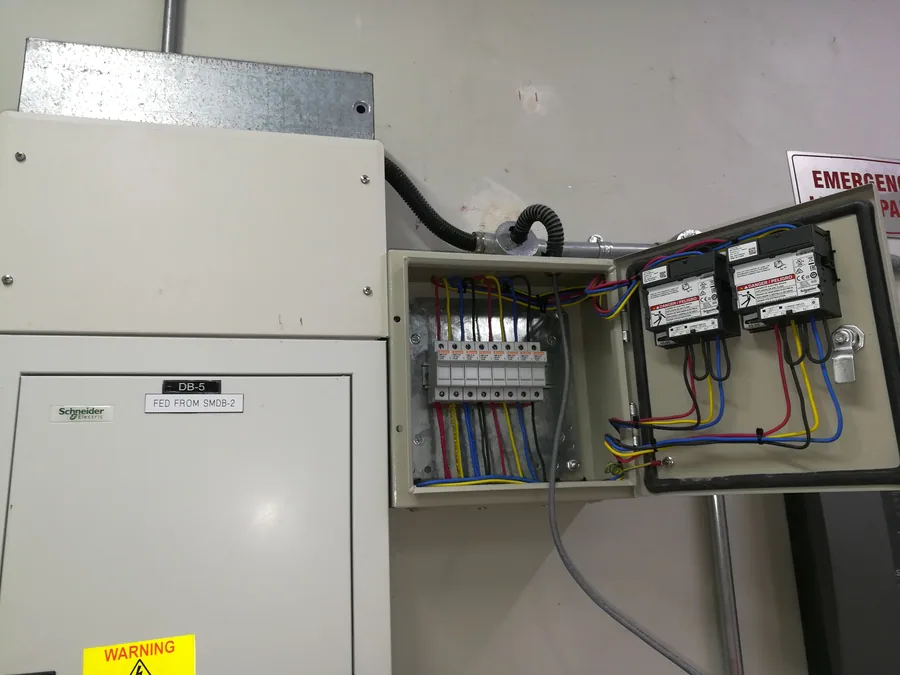
Al Tala Board Manufacturing Company Ltd
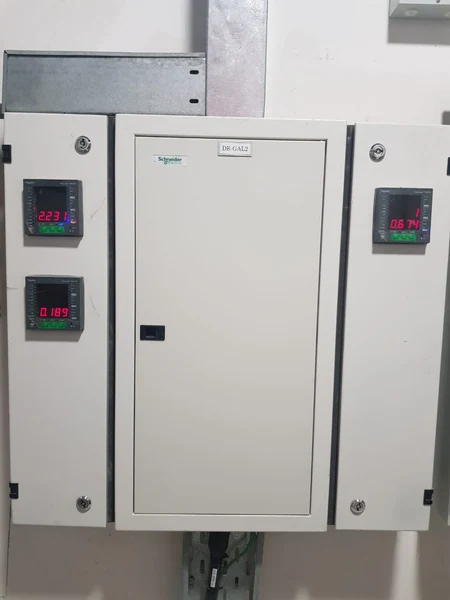
China – UAE Industrial Capacity Cooperation (JIANGSU) Development and Management LTD
Platforms
Platform choice follows the installed base and the client's standards. On integration work it is decided entirely by what the existing system speaks.
Method
What the plant has to do, what it must never be allowed to do, and what an operator has to be told. Settled before any hardware is listed, because a system specified from a hardware list is overbuilt in one place and thin in another.
On existing plant, what is actually installed rather than what the drawings say. Instruments, wiring condition, panel space, power and the network are all constraints on the design.
Sequences, interlocks and the mimic. The mimic has to match what a person sees when they walk the plant, or they stop trusting it and the screen becomes furniture.
Logic and panels proven together in our Mussafah workshop, with your engineers present and against the functional design rather than against a demonstration.
Every instrument proven end to end, then the sequences run against the plant, then the trips. In that order, because a trip tested first is a trip tested blind.
Training, as built drawings, configuration backups and an alarm list that gets reviewed again after six months in service.
Common questions
A building management system operates the plant and is judged on comfort and on equipment life. An energy management system accounts for what that plant consumed and turns it into a number somebody has to answer for. They answer different questions, they are read by different people, and on Estidama work you generally need both.
Far fewer than the plant can generate. The list should be built backwards from the decisions an operator actually has to make. Build it from the terminal schedule instead and the screen is permanently red, the operator correctly learns that red means nothing, and the one alarm that mattered arrives into a room that has stopped looking.
That is most of our work. Monitoring can usually be added in parallel with the existing controls and proven against them before anything is trusted. Control changes need a planned window, because that is where the interlocking and the failure behaviour change.
Yes, and it is more common than new build. For Abu Dhabi Investment Council we upgraded the existing PcVue platform from version 9 to version 16 rather than replacing it, with field devices replaced and recommissioned around it.
Yes. At the Al Tala Board plant in KIZAD we delivered a centralised energy and water metering and monitoring system for Estidama compliance, and at the KIZAD office building we delivered energy monitoring, a building management system and lighting control as three related but distinct systems.
Power transmission and distribution, water and irrigation, ports, manufacturing plant, oil and gas pumping, and buildings with significant energy plant. The constraint we design for is continuous operation and remote location rather than any particular industry.
Related
Tell us about the system you need built, upgraded or kept running.