
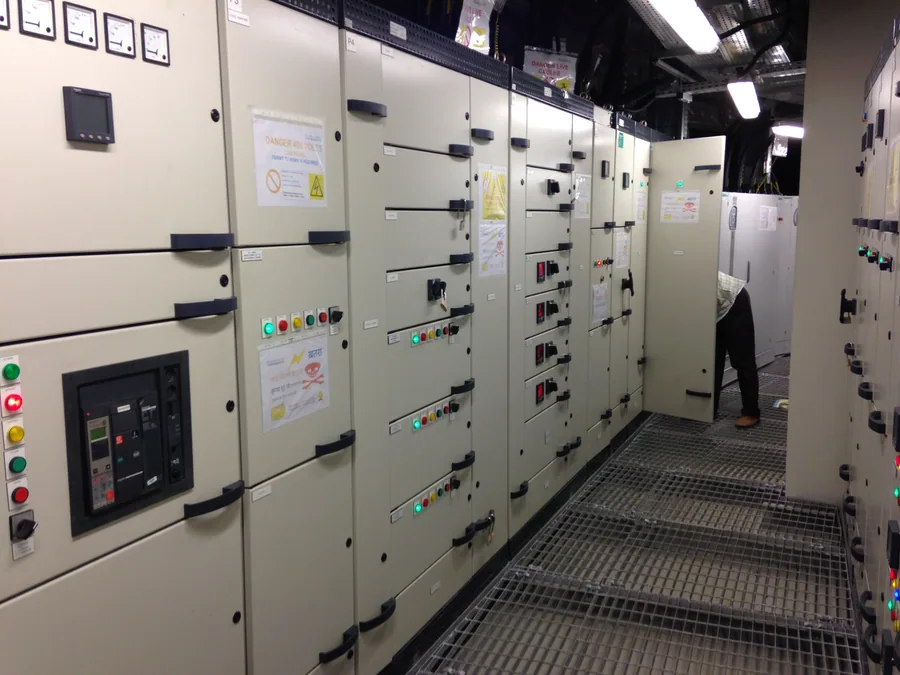
SCADA system for Energy Management System & Energy Network Monitoring System and Automated Metering System
ABU DHABI INVESMENT COUNCIL
Date2012-02-12
CategoryAutomation, Panel Building
Services
Replacing obsolete controllers, drives and supervisory platforms on plant that has to keep running while it happens.
What we do
Plant does not usually ask for an upgrade because the controller stopped. It asks because the controller cannot be supported: the vendor has ended the product, the spares come from the second hand market, the software that opens the logic will not run on any machine anybody still has, and the engineer who wrote it has left.
That is a different problem from a breakdown, and it needs a different answer. Age on its own is not a reason to replace anything. The test is whether you could buy the spare today from somebody you would trust, and whether anybody can still change the sequence.
Almafor does this work on running plant. Sometimes the answer is a full controller replacement. Often it is not: the controller is sound and the weakness is in the reporting path, the drives or the instrumentation around it. Establishing which of those is true is the first deliverable, and it is worth paying for on its own.
Typical brief
Once the installation is properly established, an obsolete system resolves into one of three answers.
A gateway or protocol converter lifts the existing data into a modern supervisory layer without touching the control logic. Cheapest and least disruptive, and correct when the controller is supported and the logic is understood. The limit is that you can only report what the controller already knows.
New panel, new instruments, new communications, new HMI, with the existing controller retained. This is common on pumping plant, where the pumps and motors are sound and the weakness sits in the control and the visibility.
Right when the hardware is unprocurable or the logic is unrecoverable. At that point a modern controller wired properly costs less across ten years than a translation layer nobody fully understands.
Scope
Track record
Completed contracts with the client and the dates. Follow any card for the full detail.
ABU DHABI INVESMENT COUNCIL
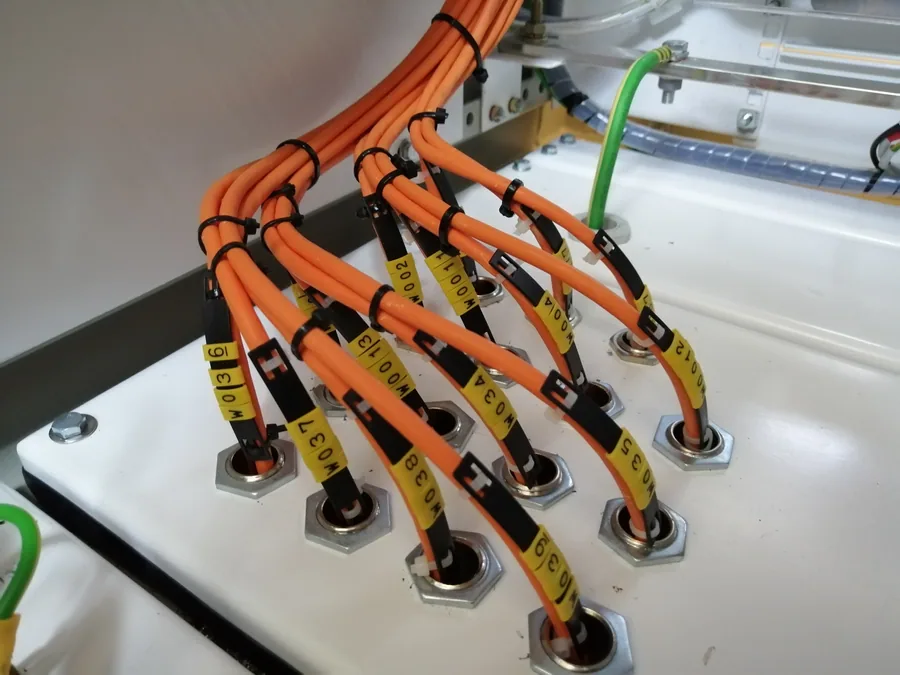
TAQA - Transmission
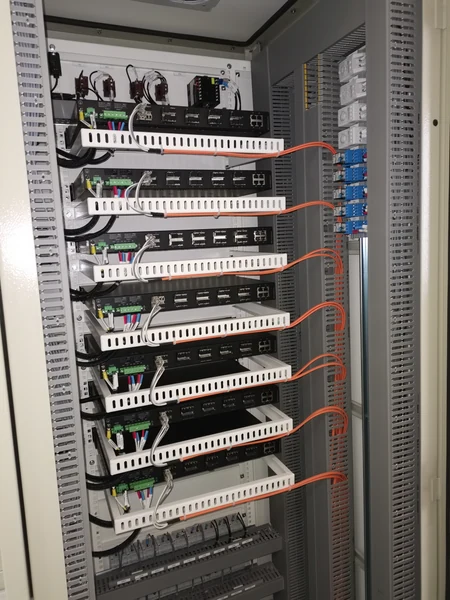
TAQA Distribution
Platforms
The replacement platform is chosen against the installed base and the client's standards, not against a preferred product line.
Method
Make, model, firmware, I O count, ports and protocols, panel and power condition, network topology. Then the two questions that decide the project: does the source code still exist, and does anything that can open it still run.
Keep and report, keep and rebuild, or replace. This is a commercial decision as much as a technical one, and it should be made with the obsolescence risk written down rather than assumed.
Migration plan, point schedules, panel modifications and the cutover sequence, including what happens if the new system has to be backed out.
Panels and configuration proven in our Mussafah workshop with your engineers present, against the recovered point schedule.
Monitoring runs alongside the existing controls until it agrees with them. Control moves last, because that is where the interlocking and the failure behaviour change.
Configuration, addressing, alarm philosophy and as built drawings in a form the next engineer can use. Skip this and the obsolescence problem simply regenerates.
Common questions
When the hardware is unprocurable, when nobody holds the logic, or when the gateway layer propping it up has become more complex and more fragile than the controller itself. Age alone is not the test. The real test is whether you could buy the spare today from somebody you would trust, and whether anybody can still change the sequence.
Often, and it is usually the better answer. For Abu Dhabi Investment Council we upgraded the existing PcVue installation from version 9 to version 16, with field devices replaced, reprogrammed and recommissioned around it. That is a platform migration rather than a platform replacement, and it preserves the operators' familiarity with the system.
It happens more often than people expect, and it changes the asset you are dealing with. A site that cannot open its own logic can still be integrated and reported on, but it cannot be modified. That usually moves the decision towards replacement, because a system you cannot change is a system that cannot follow the process it controls.
Yes, including at medium voltage on running plant. That work is sequenced around the duty of the station and the availability of the standby set, and the supervisory interface is kept in scope from the start, because a replaced drive that operators cannot see has moved the problem rather than solved it.
Rarely for monitoring, which can usually be added in parallel with the existing controls and proven against them before it is trusted. Control is the part that needs a planned window, because that is where the interlocking and the failure behaviour change.
Almost all of this work is exactly that. On TRANSCO project N-15223 the systems we retired across six grid stations were Alstom and GE equipment, and at Al Khazna the scope included removing the legacy ICCP link.
Related
Tell us about the system you need built, upgraded or kept running.