
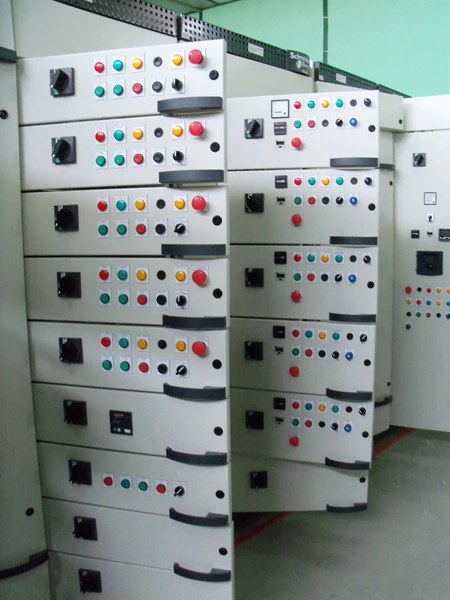
Irrigation Mains at Khalifa City “A”
Abu Dhabi Municipality
Date2012-11-25
CategoryAutomation, MEP, Civil Engineering
Services
Pump control and telemetry for parks, landscape networks, potable water and fire hydrant pump rooms, on sites nobody visits daily.
What we do
Almafor has automated irrigation and pumping across Abu Dhabi since 2012, for the Department of Municipalities and Transport, Abu Dhabi Municipality, Abu Dhabi Sports Council and ADNEC, along with potable water transmission for the Ministry of Energy and Infrastructure.
The individual pump sets are usually modest. What makes this work difficult is that they are scattered, unattended and cheap to ignore. A station that fails quietly on a Thursday is discovered by dead planting three weeks later, and by then the cost is landscape replacement rather than a pump repair.
So the useful question is never how big the pump is. It is how quickly somebody finds out it stopped. That is why almost every station we build carries telemetry back to a supervisory system, and why the RTU is usually kept separate from the PLC even on small sites: the PLC runs the pumps, and the RTU owns the conversation with the outside world.
Typical brief
Three briefs cover most of the pumping work we are asked for.
Pumping stations built as part of a landscape or parks contract, delivered under the main building contractor. The control scope is a pump panel, instrumentation and a route back to whichever supervisory system the client already runs.
New stations that have to appear inside a system already in service, behave like the ones already on it, and raise alarms the operators already know how to read. At Shakhbout City nothing was replaced at the supervisory layer at all.
Plant that runs but reports nothing, or a starter panel that has reached the end of its life. The pumps and motors are often sound, and the weakness sits in the control, the instrumentation and the visibility.
Scope
Track record
Completed contracts with the client and the dates. Follow any card for the full detail.
Abu Dhabi Municipality
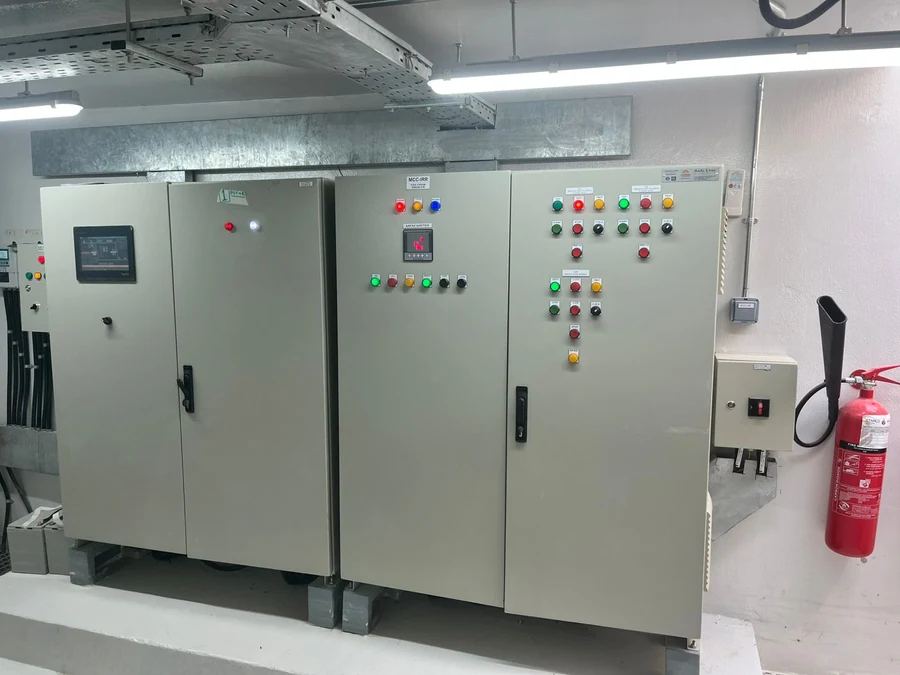
Department of Municipalities & Transport, Abu Dhabi (DMT)
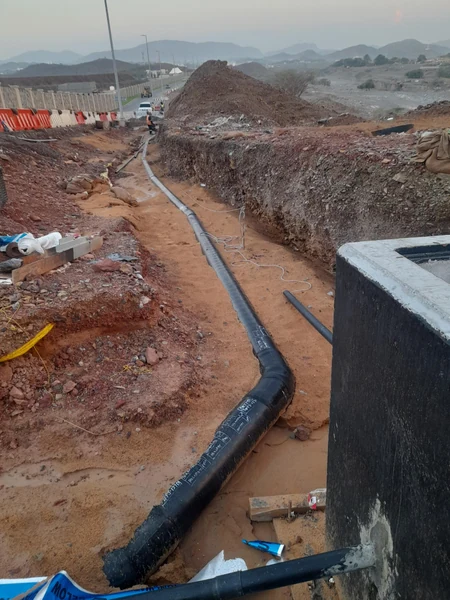
Ministry of Energy & Infrastructure
Platforms
On integration work the platform is decided by the SCADA the client already operates. On new build it follows the approved vendor list.
Method
What the station has to do, how duty and standby rotate, what counts as an alarm worth waking somebody for, and what merely belongs in the log.
Panel general arrangement, schematics, instrument schedule and the signal list. The signal list is built from the decisions an operator has to make, not from the terminal count.
Assembled in our Mussafah workshop, then powered, configured and function tested with your engineers present before it ships.
Set, terminated and wired to the instruments, with the civil and MEP work where the contract includes it.
Brought into the supervisory system and proven against it. On an existing SCADA the station has to look and behave like the ones already on the network.
Operator training, as built drawings, configuration backups and a named owner for the logic.
Common questions
Because they do different jobs and fail differently. The PLC runs the pumps and should keep running whether or not anything is listening. The RTU owns the conversation with the outside world. Keeping them separate means a communications problem never becomes a pumping problem, and it repeats across our stations from a single cycling club panel up to five station networks.
Yes, and that is the most common version of this work. At Shakhbout City the scope was a variable frequency drive and instrumentation panel integrated into the client's existing irrigation SCADA. Nothing was replaced at the supervisory layer. The new stations simply had to appear inside it and behave like the others.
Networks rather than single sites are normal. The Madinat Zayed parks contract covered twelve pumping stations, seven three phase at 5.5kW and five single phase at 2.5kW, each with its own panel and telemetry. The Khalifa City A irrigation mains covered five stations with fifteen variable frequency drives between them.
Yes. On the Jabal Mibrih Road potable water transmission pipeline we delivered the SCADA system together with seventeen kilometres of fibre optic cable supplied, laid and terminated along the route. On an asset that long the cable and the control system are one job, not two.
Frequently. Parks, landscape and building contracts normally reach us that way, and we deliver the control, instrumentation and panel scope inside the main contract. On grid and utility work we are usually main contractor instead.
That is what the telemetry is for. The alarm philosophy is agreed at the start so that the events which need somebody on site are separated from the ones that can wait for the morning report. A station that fails silently is discovered by dead planting, which is a landscape bill rather than a pump repair.
Related
Tell us about the system you need built, upgraded or kept running.