
Design and Construction of 67 Parks and Playgrounds in Various Areas in the City of Abu Dhabi CP11
Department of Municipalities & Transport, Abu Dhabi (DMT)
Date2025-08-03
CategoryAutomation, MEP, Panel Building
Plain answer
The problem is rarely the watering. It is that nobody knows a zone stopped watering until the grass tells them, three weeks later.
The real problem
People ask for remote irrigation control expecting the benefit to be turning valves on from a phone. In practice the valuable half is the other direction: knowing that a pump has tripped, a line has burst, a zone did not run last night, or that consumption on one district has doubled for no obvious reason.
A landscape maintenance team can only be in one place at a time. Across a set of parks spread over a city, the cost of not knowing is measured in dead planting and in water that ran into the ground for a fortnight before anyone noticed.
So the useful specification starts with what you want to be told, not what you want to switch. Almafor has built this for parks and district irrigation across Abu Dhabi and Al Ain for the Department of Municipalities and Transport, Abu Dhabi Municipality, ADNEC and the Abu Dhabi Sports Council.
The parts
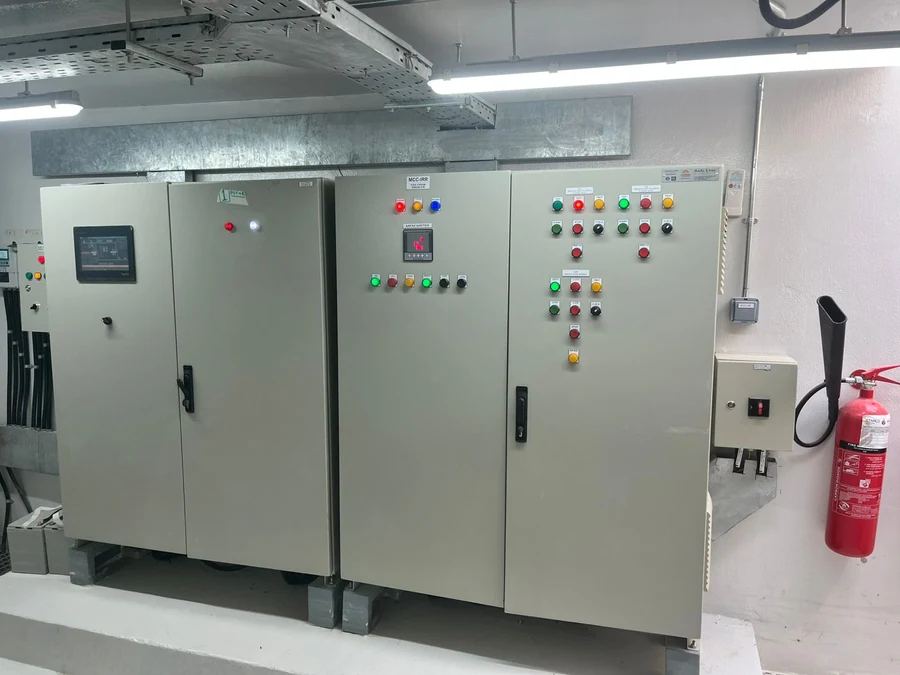
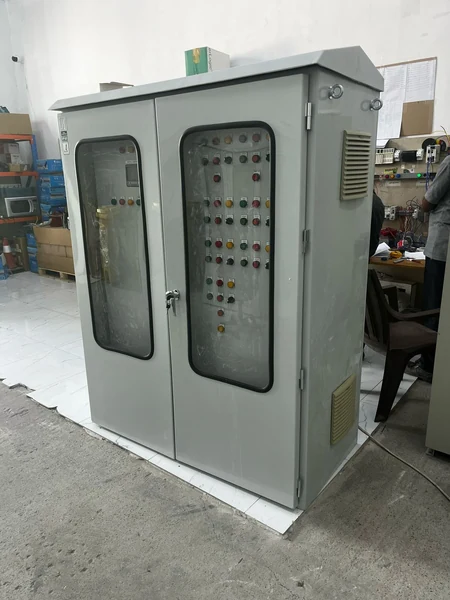
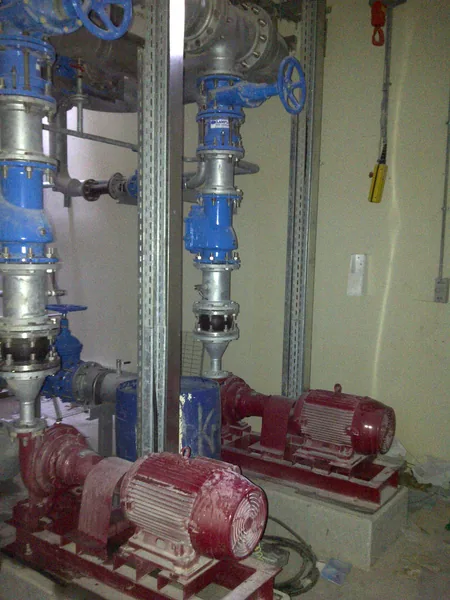
Pumps, drives, the control panel and the instrumentation that holds pressure in the network. Everything downstream depends on this working, so it gets the most protection and the most monitoring.
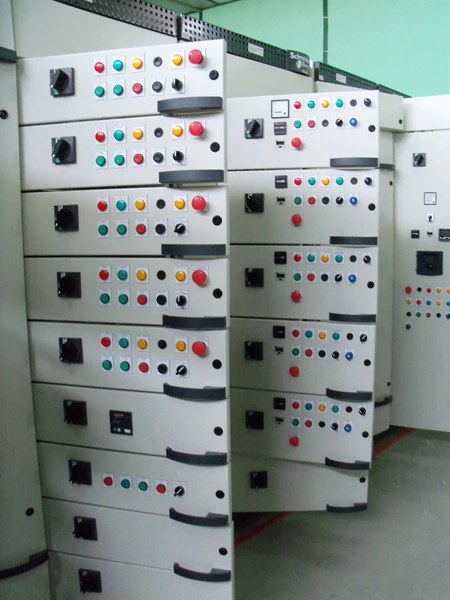
Solenoid valves grouped into zones, driven by a controller that holds the schedule. The controller must keep watering to schedule when it cannot reach the control room, or the network stops every time the signal drops.
Flow and pressure at least. Flow is what tells you a line has burst or a zone did not open, and it is the single most useful thing to add to a network that currently has none.
Fibre where a duct route exists, cellular where coverage is dependable, radio where neither works. Roadside routes usually mean civil work, and that civil work is often the largest line in the price.
Specification
Track record
Sixty seven parks and playgrounds, city district irrigation, an exhibition centre and irrigation mains.
Department of Municipalities & Transport, Abu Dhabi (DMT)
Department of Municipalities & Transport, Abu Dhabi (DMT)
Abu Dhabi National Exhibitions Company ADNEC
Abu Dhabi Municipality
Common questions
Yes, once the network has controllers and a communication path. Worth saying though that on managed municipal networks the phone is rarely the point. The value is in the system telling somebody that a zone did not run, rather than in somebody being able to start it from a car.
On a properly designed network, nothing visible. Each station keeps its schedule locally, keeps its protections active and stores its data until the link returns. If a scheme requires the link to be up in order to irrigate, that is a design decision somebody made, and it is worth discovering at tender rather than in July.
Flow measurement. Without it, an unopened valve looks identical to a working one from the control room, and you find out when the planting dies. Adding flow measurement is the highest value single upgrade on most existing irrigation networks.
Usually yes. Existing valves and pipework generally stay. What gets added is controllers, instrumentation and the communication path, and sometimes a drive at the pumping station. The survey comes first, because what is installed and what is on the drawings rarely match on a network that has been extended over years.
A timer waters on a schedule and has no idea whether anything happened. The systems here measure what actually flowed, protect the pumps, hold pressure across a district, raise alarms and keep a consumption record. The difference matters when the network is worth more than the controller and nobody is standing next to it.
Related
Tell us about the system you need built, upgraded or kept running.