
SCADA system for Energy Management System & Energy Network Monitoring System and Automated Metering System
ABU DHABI INVESMENT COUNCIL
Date2012-02-12
CategoryAutomation, Panel Building
Plain answer
The bill tells you the total. It does not tell you which floor, which chiller or which tenant. Closing that gap is a measurement problem before it is an energy problem.
Start here
Every building already has a meter. It produces one figure a month, and that figure is almost useless for doing anything, because it cannot tell you whether the increase came from the chillers, a new tenant, a pump that has started running at night or simply a hotter month.
Monitoring energy consumption means putting measurement points behind that main meter so consumption can be attributed. Once you can see that the third floor uses twice what the second floor does, or that a chiller is drawing power at two in the morning, you have something to act on.
There are four practical levels of doing this, and they differ enormously in cost and in what they can tell you. Most buildings should not start at the top.
The options
Pick the lowest level that answers your actual question. Buying more than you need is the common mistake, and so is buying less and having to open the switchgear twice.
Most buildings have more meters installed than anyone reads: the main incomer, sometimes a meter per riser or per landlord supply. Manually reading these monthly costs nothing and often finds the biggest anomaly on its own. Start here before spending anything.
Portable current transformers clamped around a cable, logging for a few weeks. No permanent installation, no outage needed, and they answer the question of what a specific panel or plant item is really drawing. Good for diagnosis, not for permanent management.
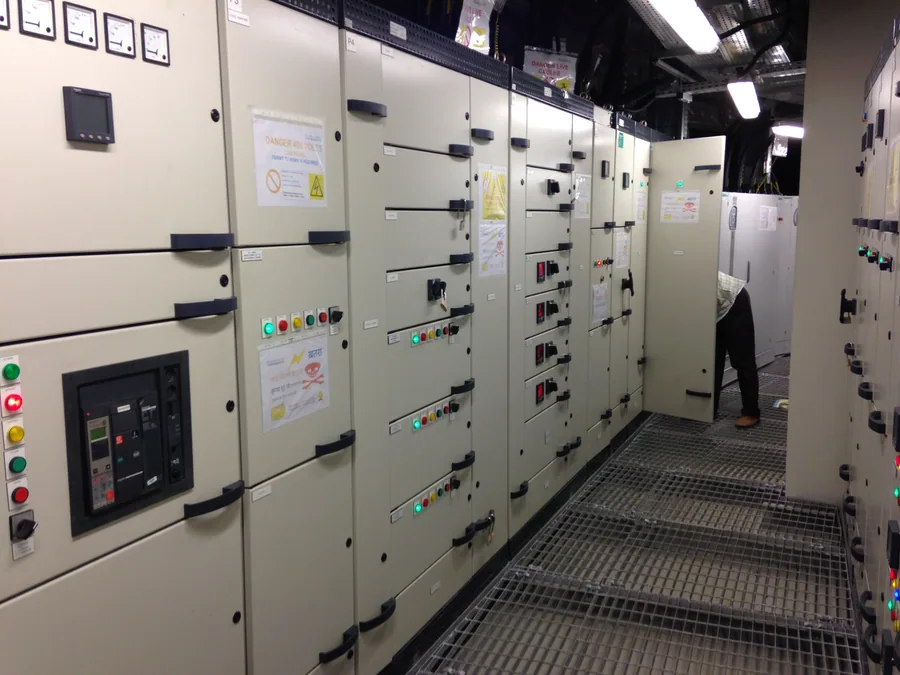
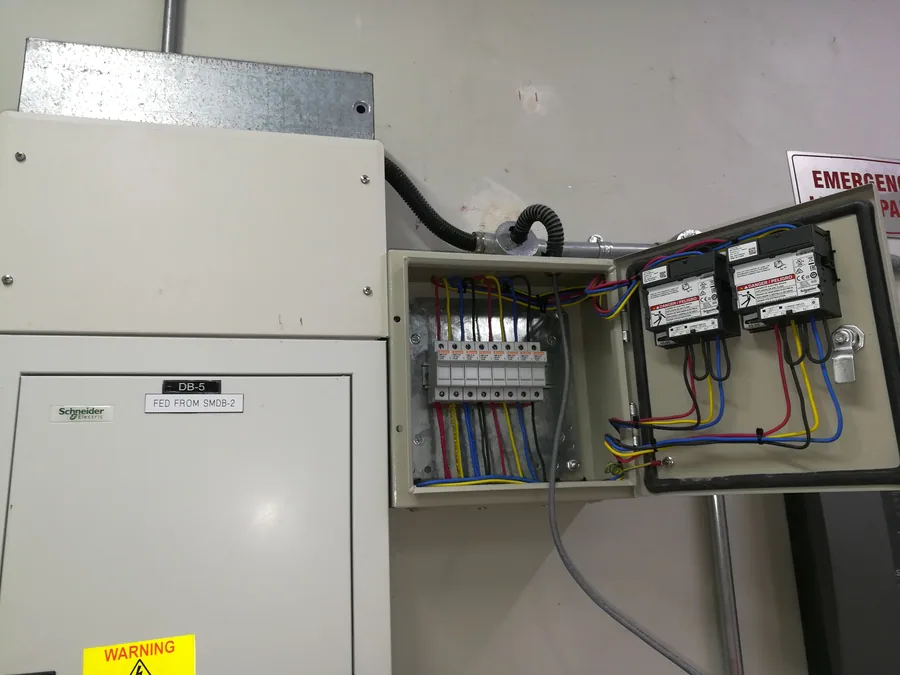
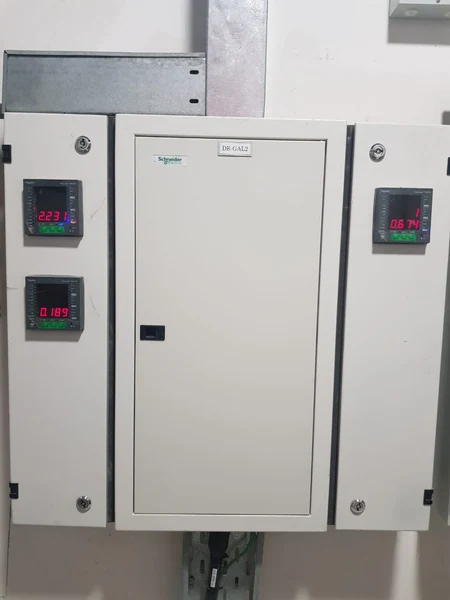
Meters installed in distribution boards, wired back to a data collector, reading continuously. This is the point at which you can attribute consumption to a floor, a tenant or a plant item and see it change over time. It needs an outage to install, which is why it is worth doing thoroughly once.
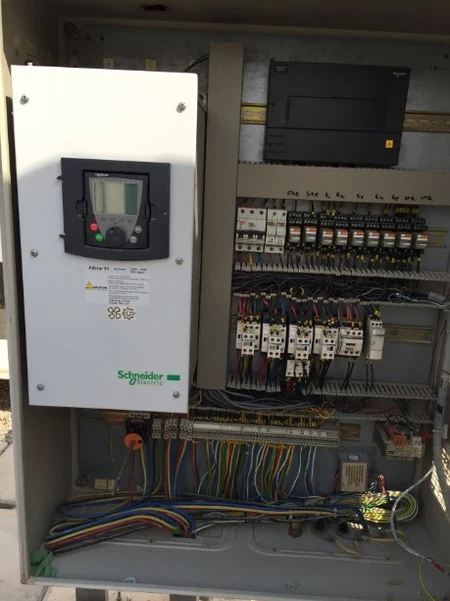
Sub metering plus a head end that trends, alarms, reports and models tariffs, usually alongside or inside a building management system. This is what lets a small team manage several buildings, and it is where the reporting for certification comes from.
Getting it right
Track record
One covered an entire energy network with redundant servers and a fibre ring. One was a manufacturing plant that wanted energy and water in the same place.
ABU DHABI INVESMENT COUNCIL
Al Tala Board Manufacturing Company Ltd
China – UAE Industrial Capacity Cooperation (JIANGSU) Development and Management LTD
Schlumberger Technical Services Inc.
Common questions
Clamp on current transformers fit around an existing cable without breaking the circuit, so a logger can be installed and removed without an outage. That gets you weeks of data on a specific panel or plant item. For permanent monitoring you eventually need meters wired into the boards, but there is no reason to start there before you know what you are looking for.
A meter measures. An energy management system collects readings from many meters, stores them, shows them over time, applies your tariff and tells you when something is abnormal. You can have meters with no system, and plenty of buildings do, which is why nobody reads them.
It scales with the number of measurement points rather than the size of the building, which is why two buildings of the same floor area can differ by a factor of three. The honest way to budget is to decide how many circuits you want to see separately, then price per point. Anyone quoting a figure before that conversation is guessing.
Not by itself. Monitoring tells you where the consumption is. The saving comes from somebody changing a schedule, fixing a control fault or challenging a tenant, and if nobody owns that job the system becomes a screen nobody opens. That said, buildings with no sub metering almost always contain at least one surprise large enough to pay for the metering.
Yes, and it is much cheaper to do together than to come back for it. On a manufacturing plant in Abu Dhabi we built a centralised energy and water metering and monitoring system as one system. In this climate the water finding is often the bigger one.
Related
Tell us about the system you need built, upgraded or kept running.